A.Y. McDonald Brass Foundry
Dickeyville, WI
Services
Audio/Visual
Electrical Construction
Engineering & Integration
Paramount Millwright
Security Solutions
Structured Cabling
Tri-City Ironworks
Markets
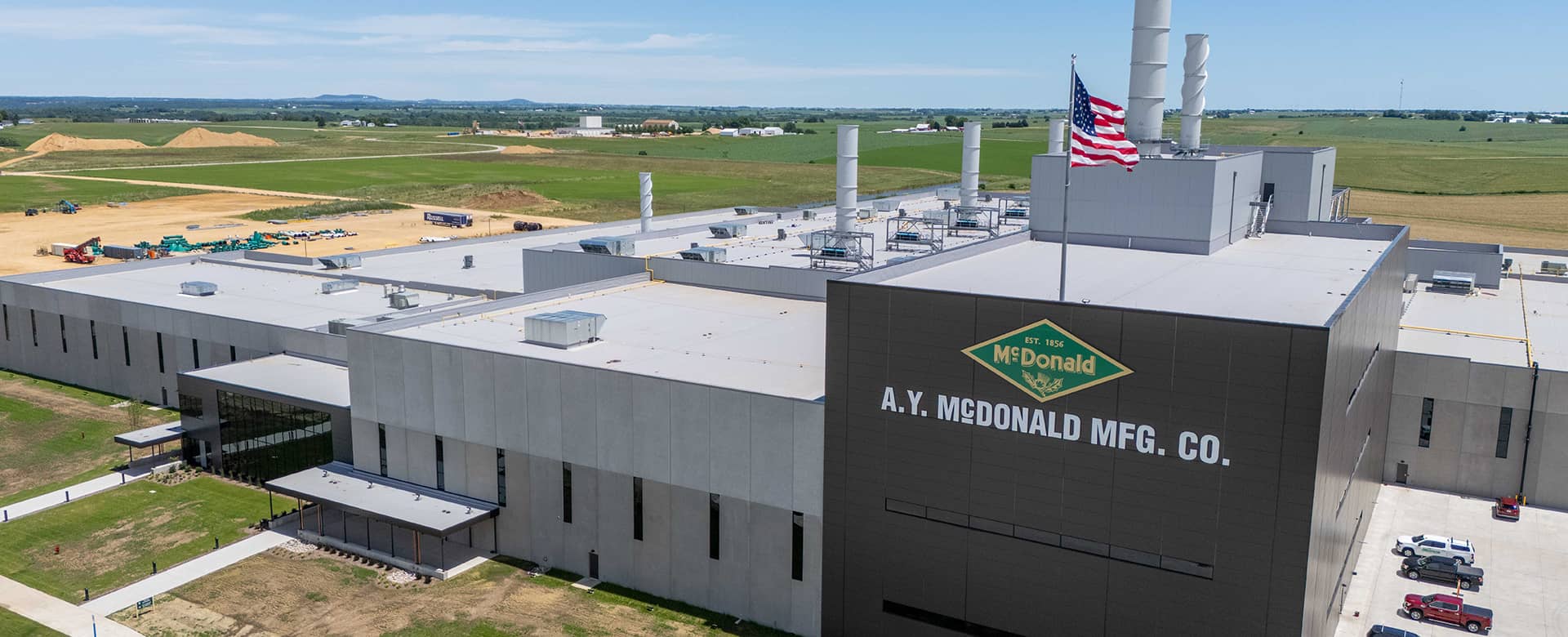
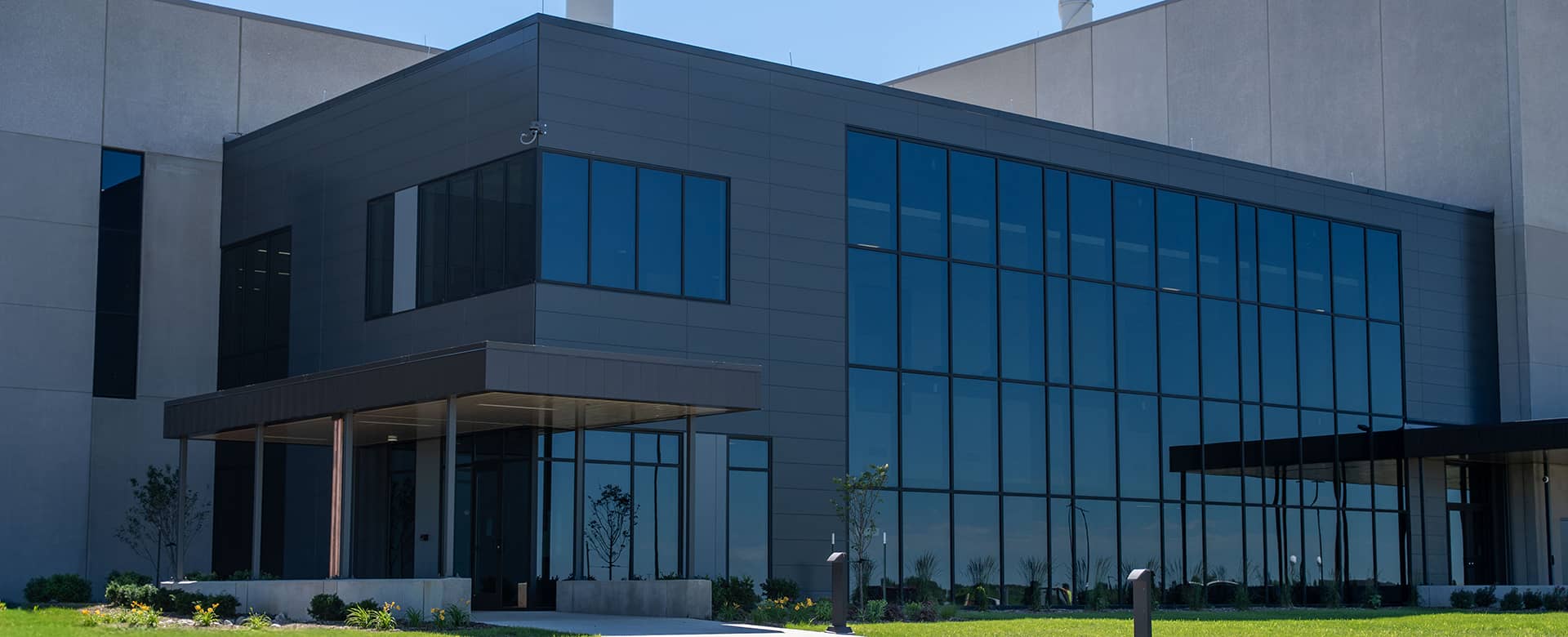
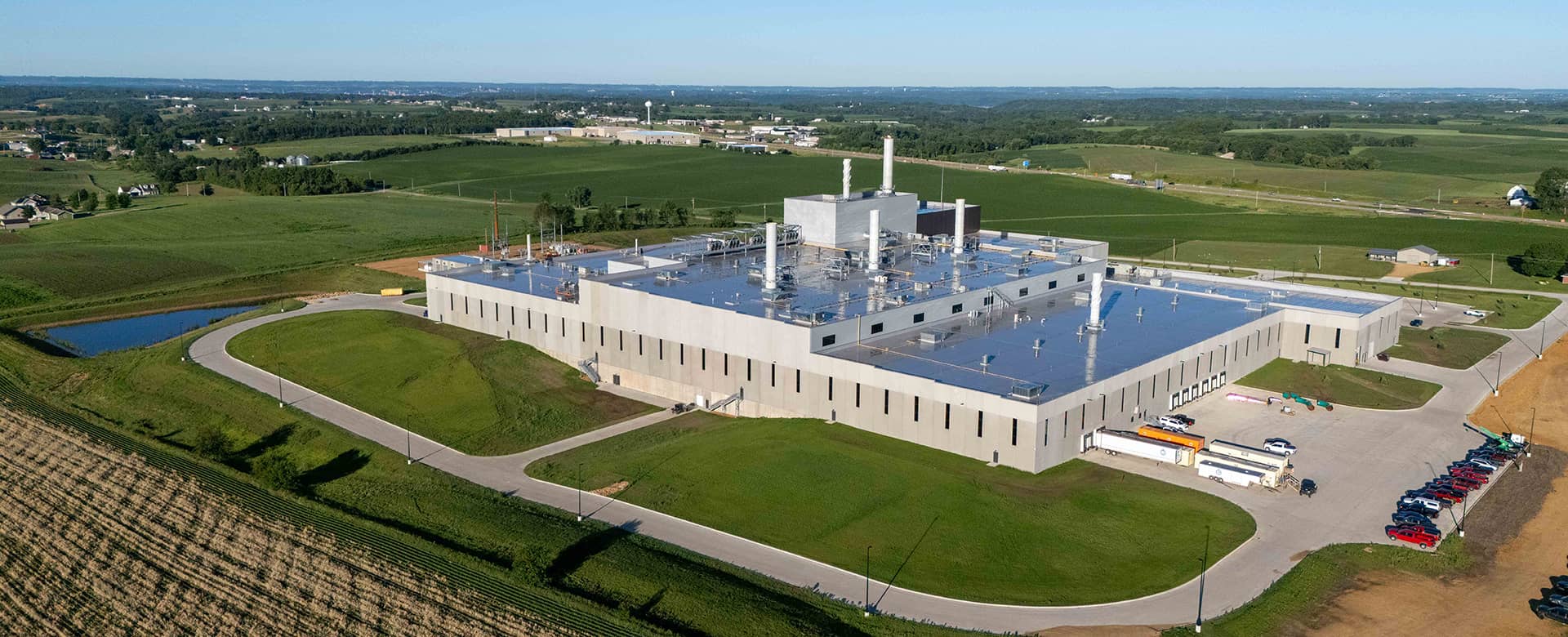
When A.Y. McDonald set out to build a new brass foundry in Dickeyville, WI, every system that would power, control, connect, and protect the facility needed to be planned together. Working in partnership with Russell Construction, Tri-City Group delivered that scope through a design-build approach. Our Tri-City teams carried electrical construction, controls, structured cabling, security, and audio/visual systems from design through startup, with Tri-City Ironworks and Paramount Millwright Services supporting equipment setting and installation. The result gave A.Y. McDonald a single point of accountability for how the foundry is powered, protected, operated, and connected.
The Challenge
A foundry of this scale brings challenges few facilities share. Design, procurement, construction, and integration all had to move in parallel to meet a tight schedule. Much of the process equipment was purchased directly by the owner from multiple vendors, and all of it needed to operate as one plant. The building’s height and many level changes had crews working from 125-foot lifts and routing conduit and cable tray through numerous floors, often while some areas were complete and others were still being finished. Several critical areas also had limited access, both during construction and for maintenance down the road.
Our BIM team and site supervision met these conditions by modeling and planning the work ahead of time, allowing for more efficient installations. That same early planning let the team design out inaccessible items, so every piece of equipment can be reached and maintained over the life of the facility.
Power Distribution and Backup Generation
Tri-City Electric designed and built a new 69kV substation around a 25 MW power transformer. As the facility’s main utility service, the substation steps transmission voltage down to distribution voltage and feeds every downstream load, from process equipment to controls. Our team provided protection and switching for the service and coordinated with the serving utility through energization.
To keep the site running through a utility outage, Tri-City Electric also provided design assistance and construction for a full backup power generation facility. Integrated with the substation and facility distribution, it transfers critical loads to on-site generation when utility power is lost. Our team also designed the process lighting for the production areas, giving operators and maintenance crews the light levels they need to work safely and efficiently.
Controls and System Integration
Our Engineering & Integration team served as System Integrator, providing control system engineering and design, control panel fabrication, PLC and HMI programming, and startup and commissioning support. The controls scope covers the core of the foundry’s process:
- Charge System: Operators build raw-material batches through an HMI, with load cells monitoring material as vibrating conveyors feed the charge barrel bound for the melt furnaces.
- Sand System: Controls for the return sand, prepared sand, and mold line conveyors, including a return sand system of 20 conveyors spanning from the basement to five stories above.
- Mold Lines: Sand delivery and downstream conveying for five mold lines, each with an operator station and two saw station HMIs.
Many pieces of the plant’s equipment came from outside vendors and function as black boxes. To bring them together, our team developed a common message structure during design that every vendor could use, then built interfaces to eight vendor systems, from dust collection and HVAC to the melt furnaces and charge crane. These interfaces provide the handshaking that lets the plant start and run as one, while safety pull cables, E-stops, and motion sensors protect personnel and equipment throughout.
Three PLCs housed across six control enclosures run the system, with remote enclosures placed strategically to minimize field wiring. A virtual Plant HMI provides visibility across the facility, supported by a dedicated Charge System HMI and 15 mold line HMIs. Our team fabricated all six control enclosures and 16 HMI enclosures and continues to provide engineering support as the facility moves through commissioning and production startup.
Network Infrastructure
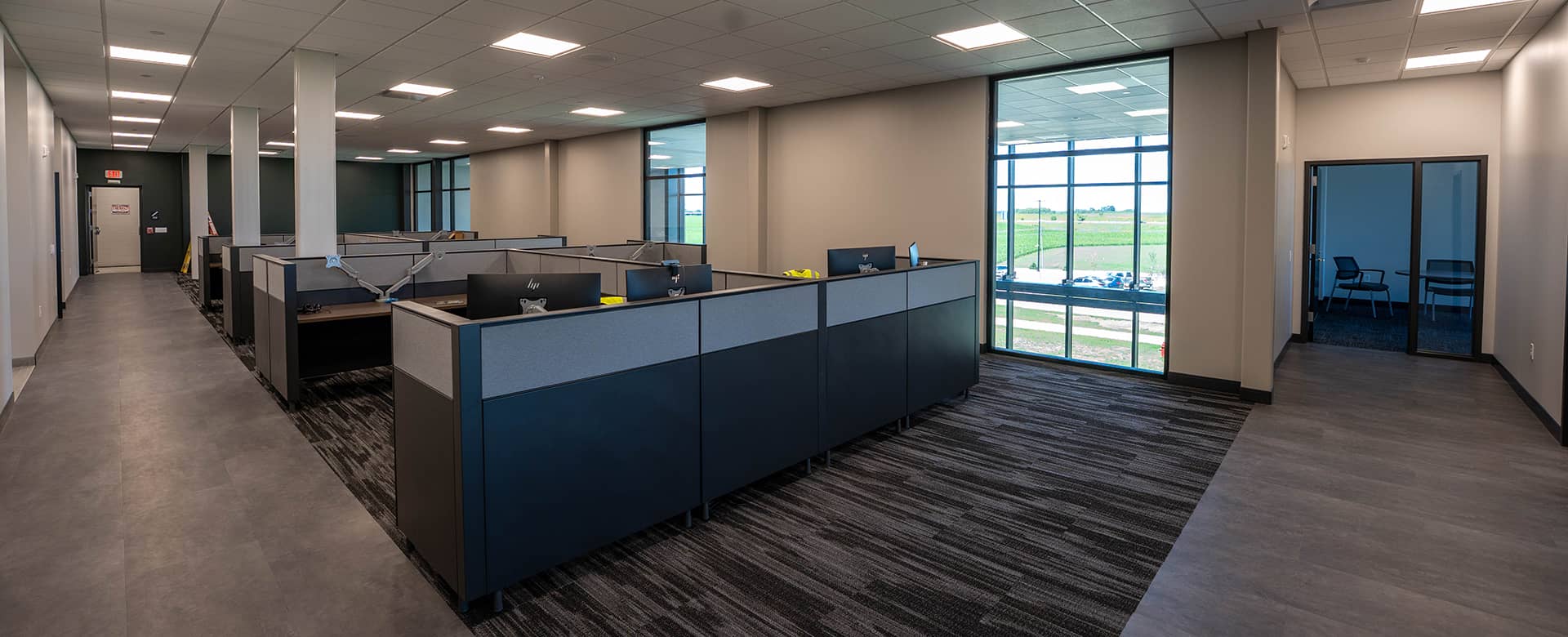
Tri-City designed and installed structured cabling for the full facility, office and plant floor alike, built on cable tray pathways and Cat 6A copper. At its core is a fiber backbone ring connecting the main communication room (MDF) to seven IDF locations. The ring topology gives the network a path around a break, so a single fiber run going down doesn’t take a section of the plant offline, and it leaves A.Y. McDonald room to add or relocate IDFs as operations evolve.
Security Systems
Tri-City assisted with design and installed an access control system that manages and monitors entrances and exits across the site. The system extends to interior and exterior safety mustering stations, so the facility can account for employees quickly in an emergency. An integrated video surveillance system covers the building interior and surrounding site, with license plate recognition at vehicle entrances and exits, and speed lanes control pedestrian entry points.
Facility-Wide Paging
Tri-City Technologies provided a paging system covering the entire facility, from the factory floor to office spaces. The loudest production areas are designed for a calculated 110 dBA, with 95 dBA across other floor areas, and strobe beacons provide visual alerts where noise levels are highest. Pages are initiated from the VoIP phone system across two zones, one including conference rooms and one excluding them. The system can play prerecorded announcements, emergency alerts, and scheduled tones, and a weather radio automatically triggers weather alerts over the paging system. Every speaker zone is monitored for faults, and the system runs on its own closed, isolated network using dedicated strands on the fiber backbone ring.
Ironworks and Millwright Support
Tri-City Ironworks provided rigging and setting for miscellaneous equipment, and Paramount Millwright Services provided weld supports for the facility’s electrical cabinets.
The Tri-City Difference
Design-build delivery put power, backup generation, controls, cabling, security, and paging under one team. For A.Y. McDonald, that meant fewer handoffs between designers, installers, and integrators, and less opportunity for gaps or rework. The substation, generation, and controls were designed to work together from day one, and owner-procured equipment from multiple vendors was brought together into a functioning facility. It is the kind of outcome that comes from treating every system as part of one connected plant, delivered by one accountable team demonstrating CONFIDENCE DELIVERED.